Tree & Shrub Insect Disease Diagnosis and Treatment
Concerned about a declining tree or shrub? ISA Certified Arborist Bobby Solar (MA-5287A) provides diagnosis and treatment for many of the Mid-Atlantic's most common tree and shrub problems, including:
• Beech Leaf Disease
• Emerald Ash Borer
• Dutch Elm Disease
• Boxwood Blight, Leafminers, Psyllids, Mites & Scale Insects
• Hemlock Woolly Adelgid & Scale Insects
• Sycamore Anthracnose
• Bacterial Leaf Scorch
• Verticillium Wilt
• Needle Cast Diseases
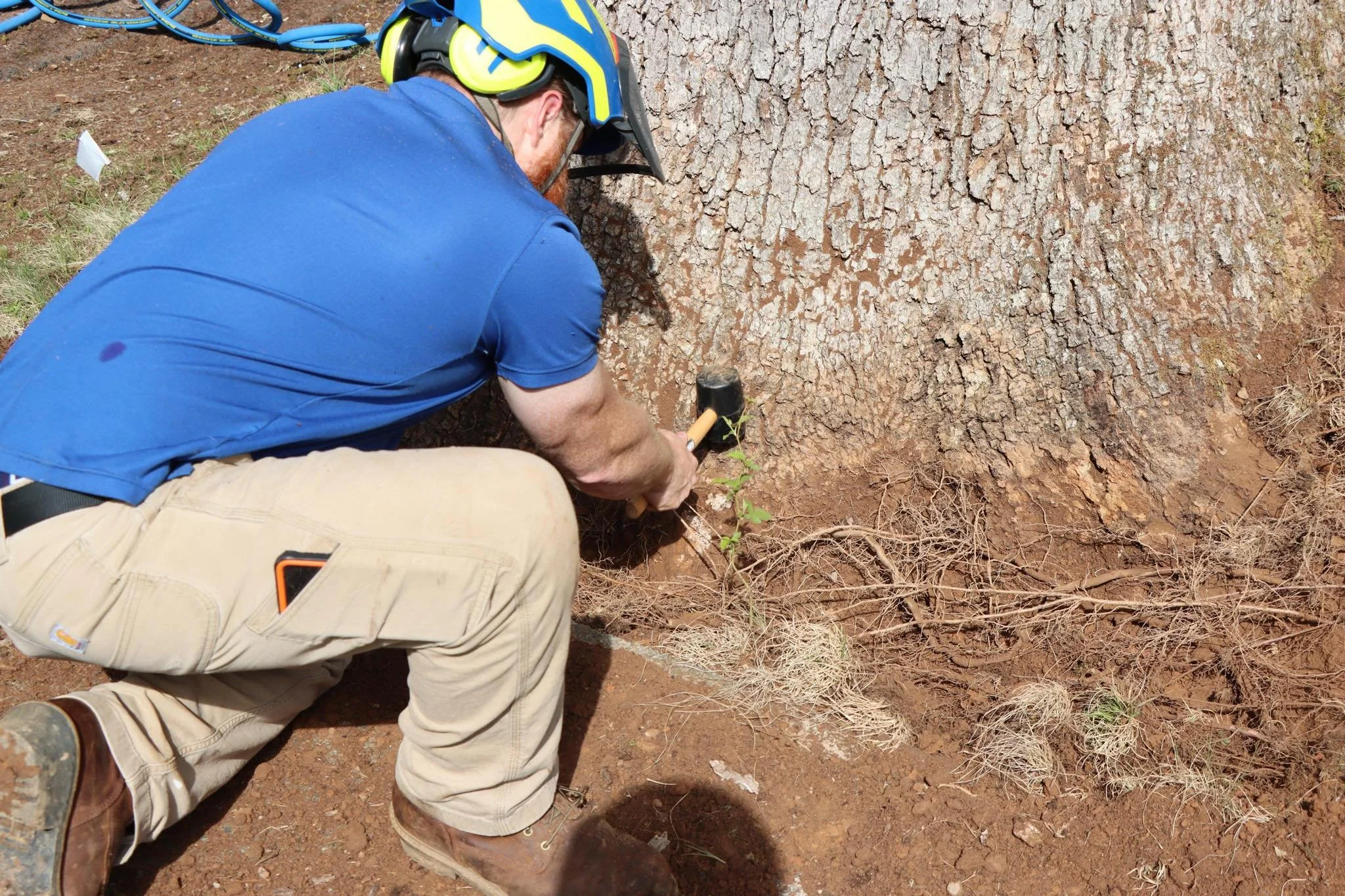
• Root Collar Excavation & Girdling Root Correction
• And many other insect, disease, and tree health issues
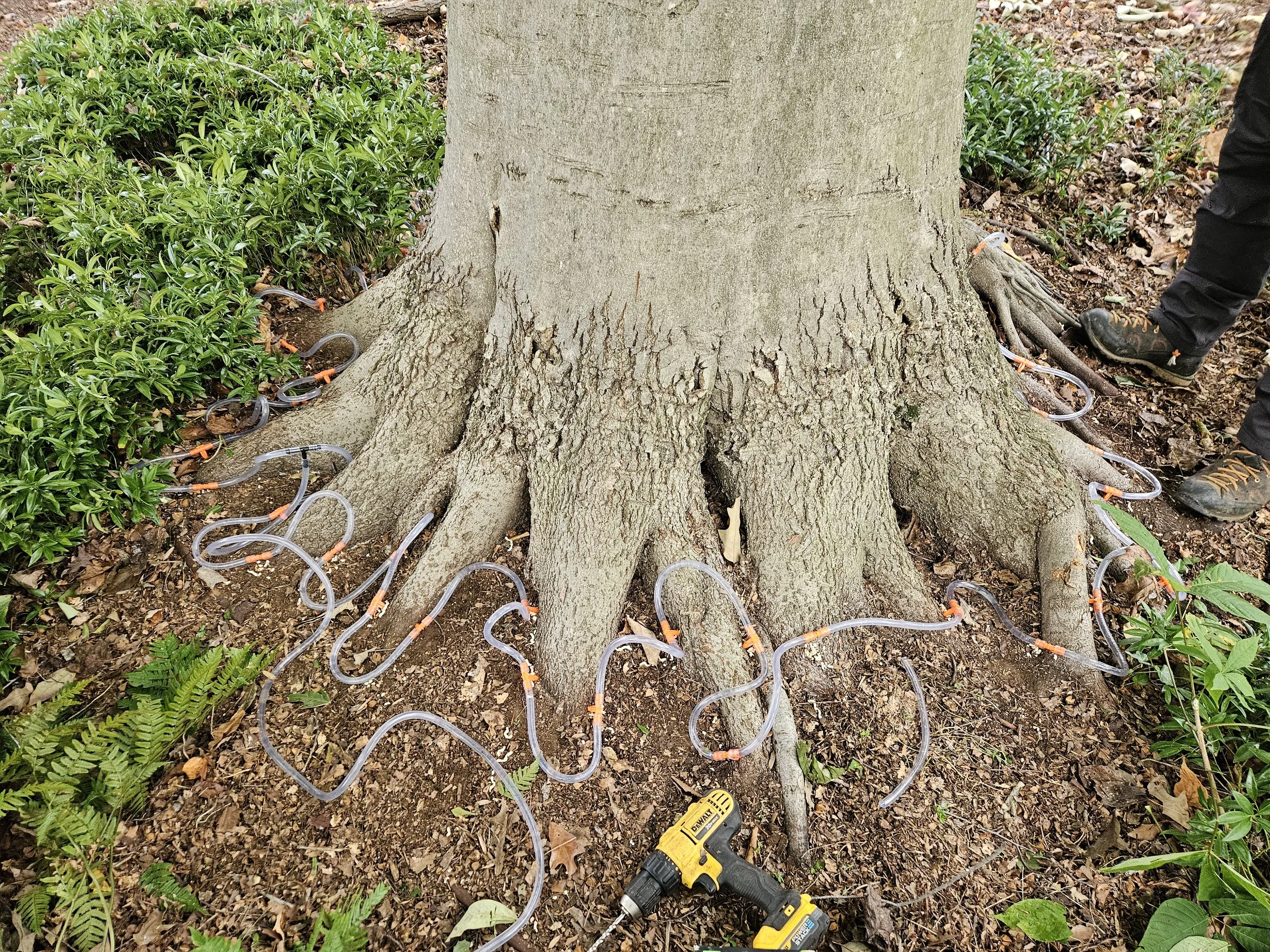
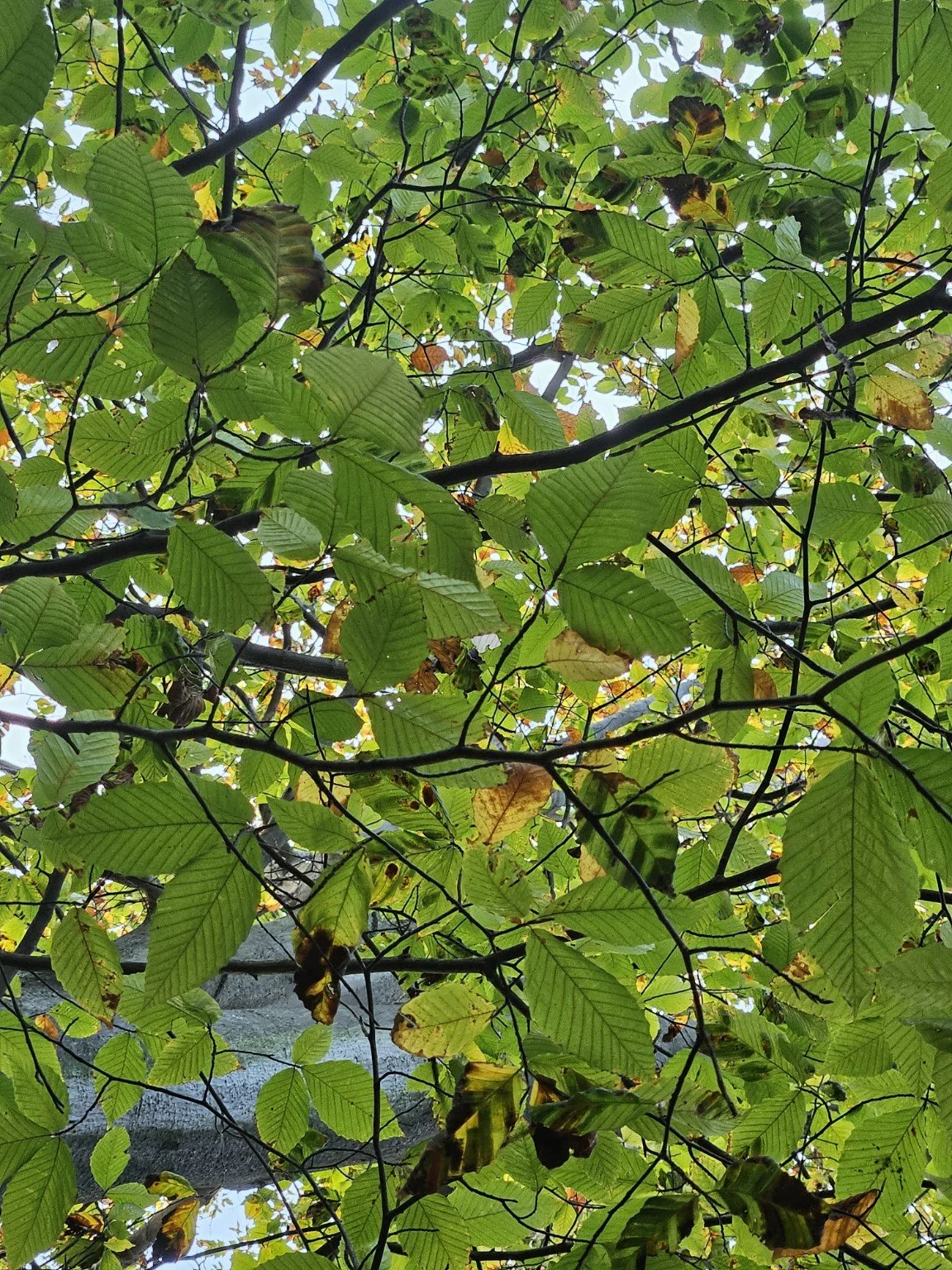
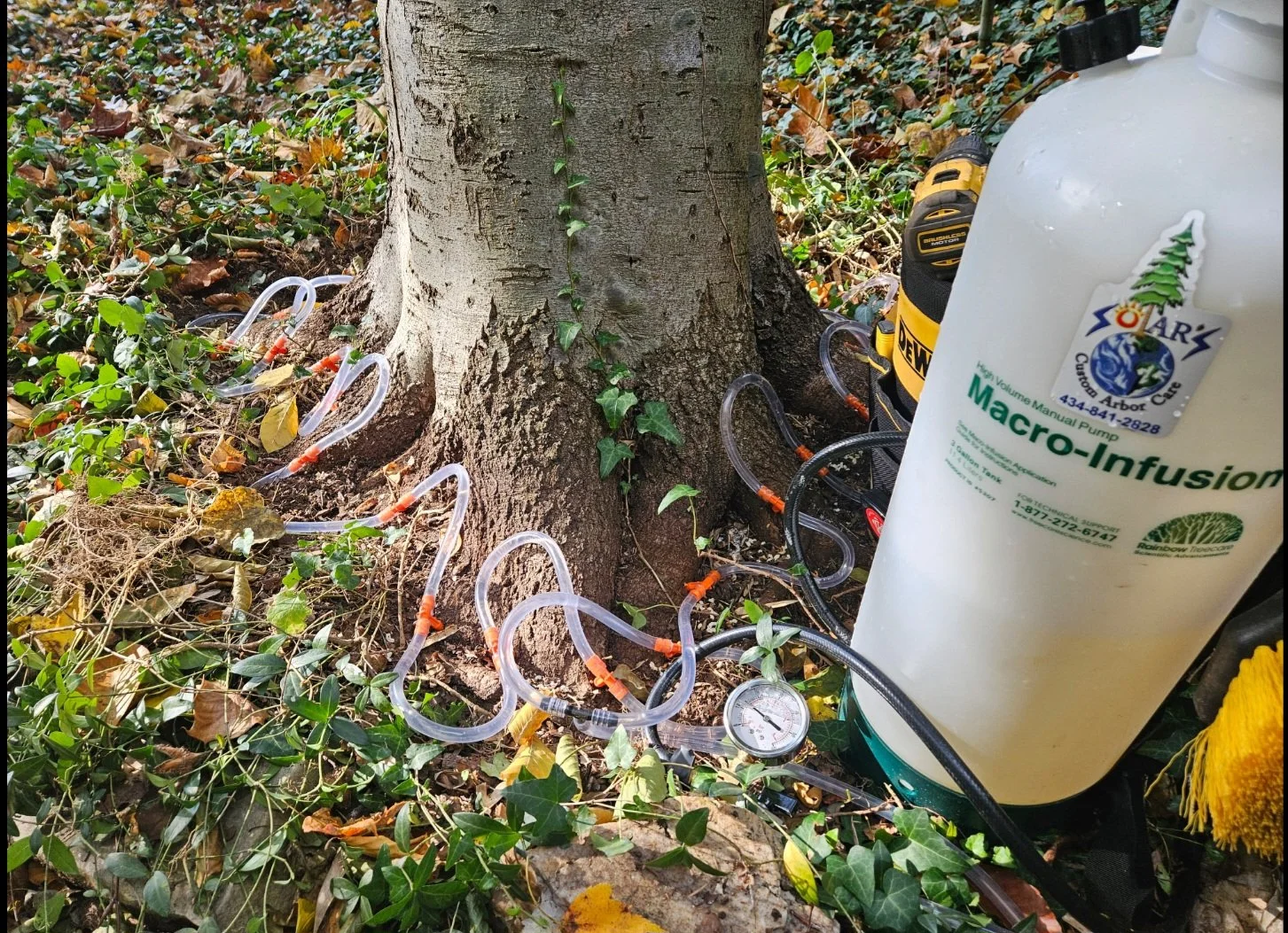
Beech Leaf Disease is an emerging threat to All beech trees throughout the eastern United States. Early detection, monitoring, and treatment can help suppress symptoms and improve tree health. This photo shows a macro-infusion treatment being performed by ISA certified arborist Bobby Solar on an American Beech tree in Charlottesville, Virginia.
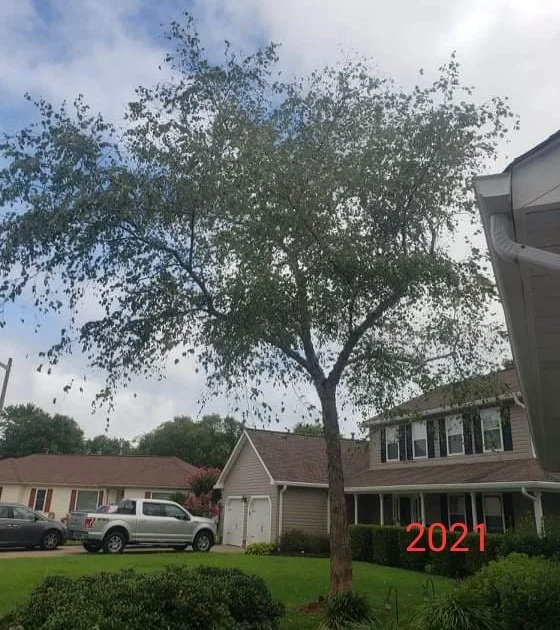
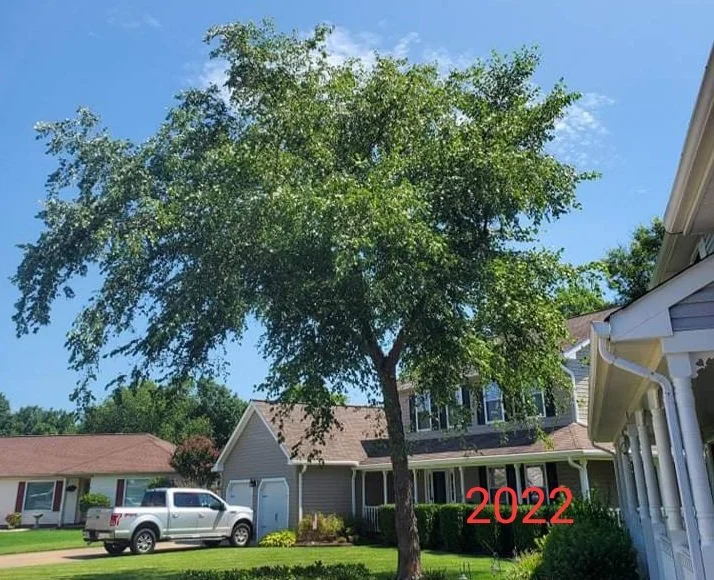
Soil testing identified nutrient deficiencies and imbalances affecting this river birch. After correcting soil conditions and addressing fungal issues, the tree showed significant improvement in canopy density, color, and overall vigor.
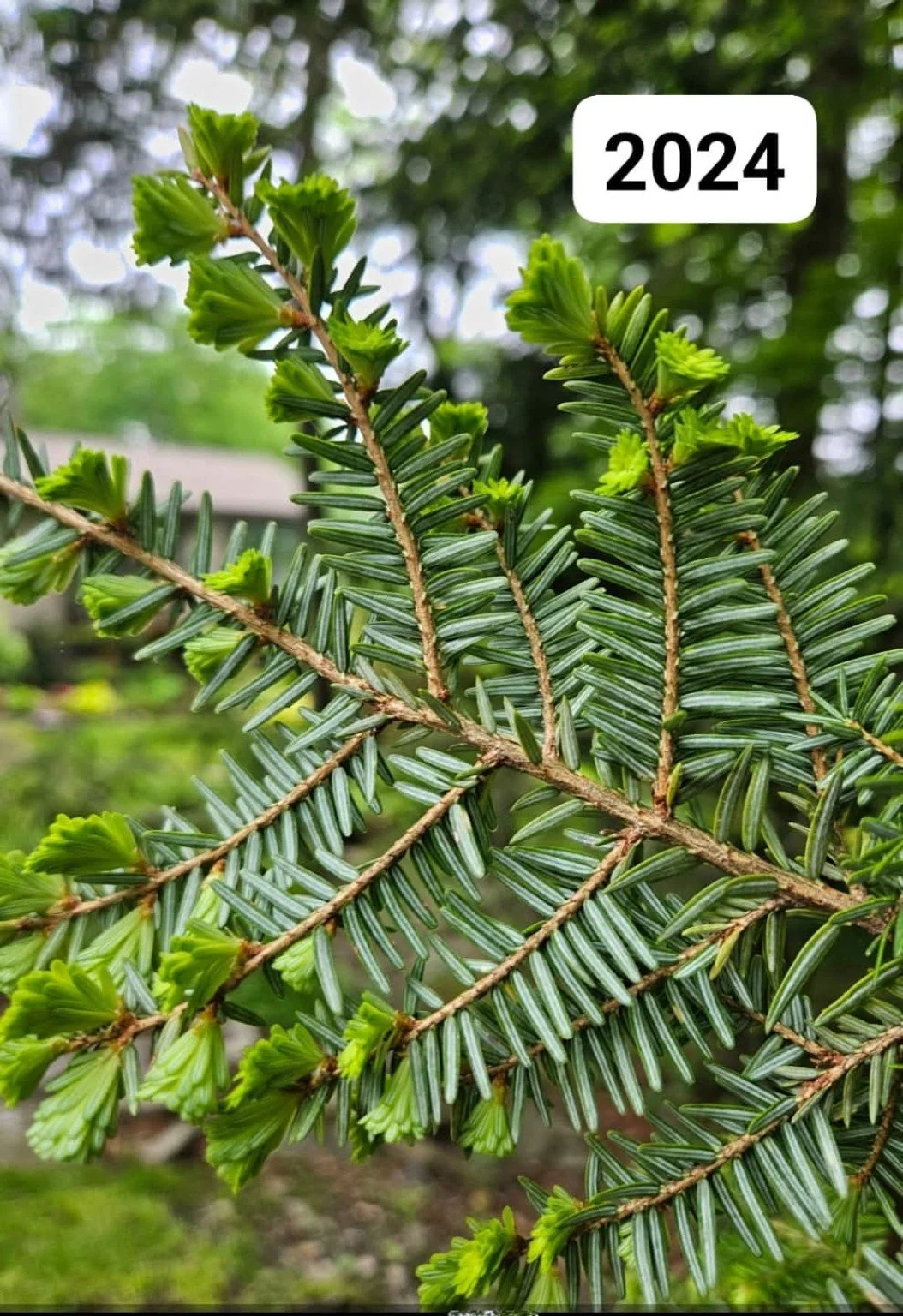
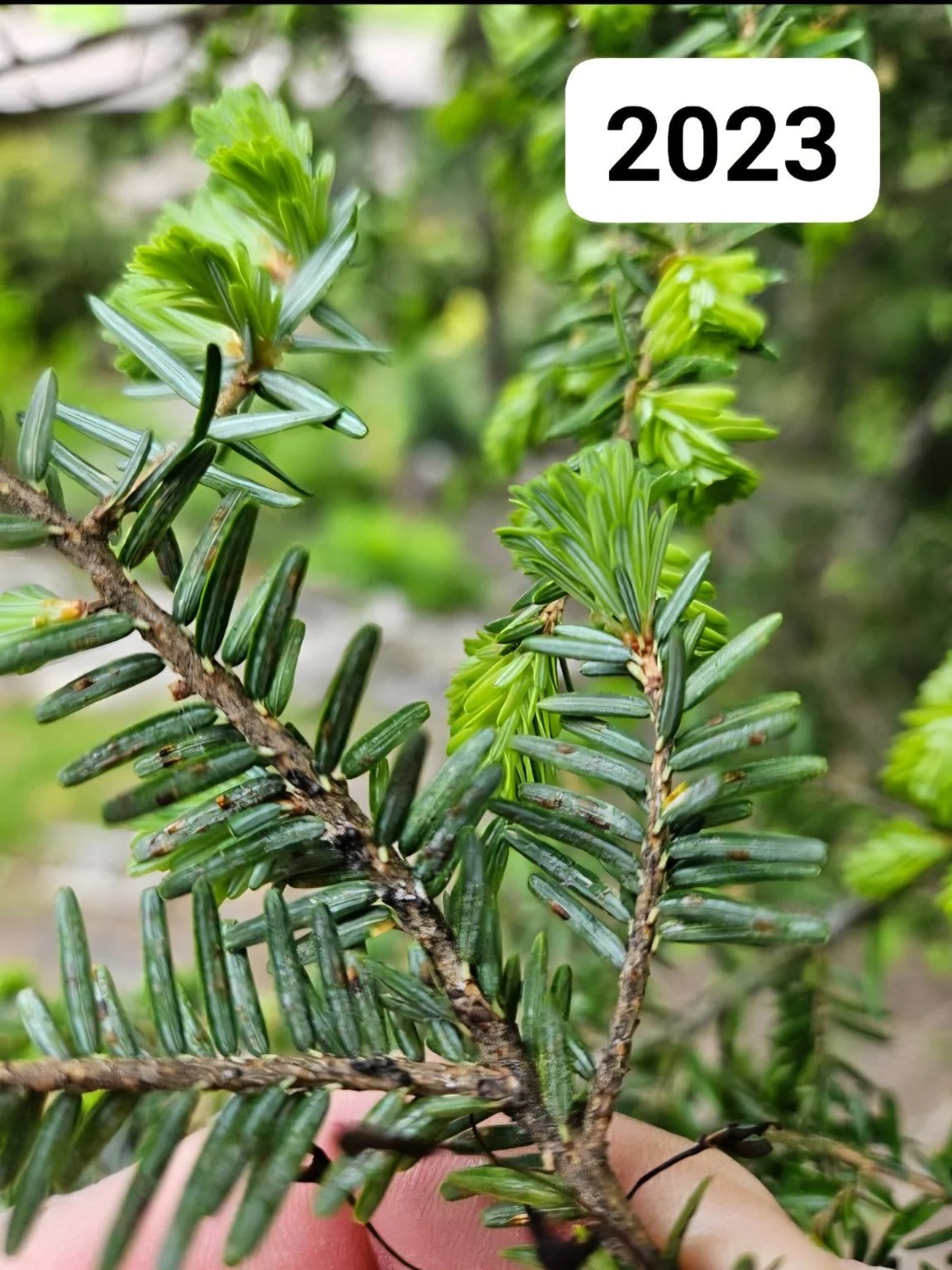
Hemlock scale can be seen as the small brown insects attached to the needles in the 2023 photo. Following one season of integrated management—including insect control and improving soil conditions—the 2024 photo shows a dramatic reduction in scale populations and healthy new growth.
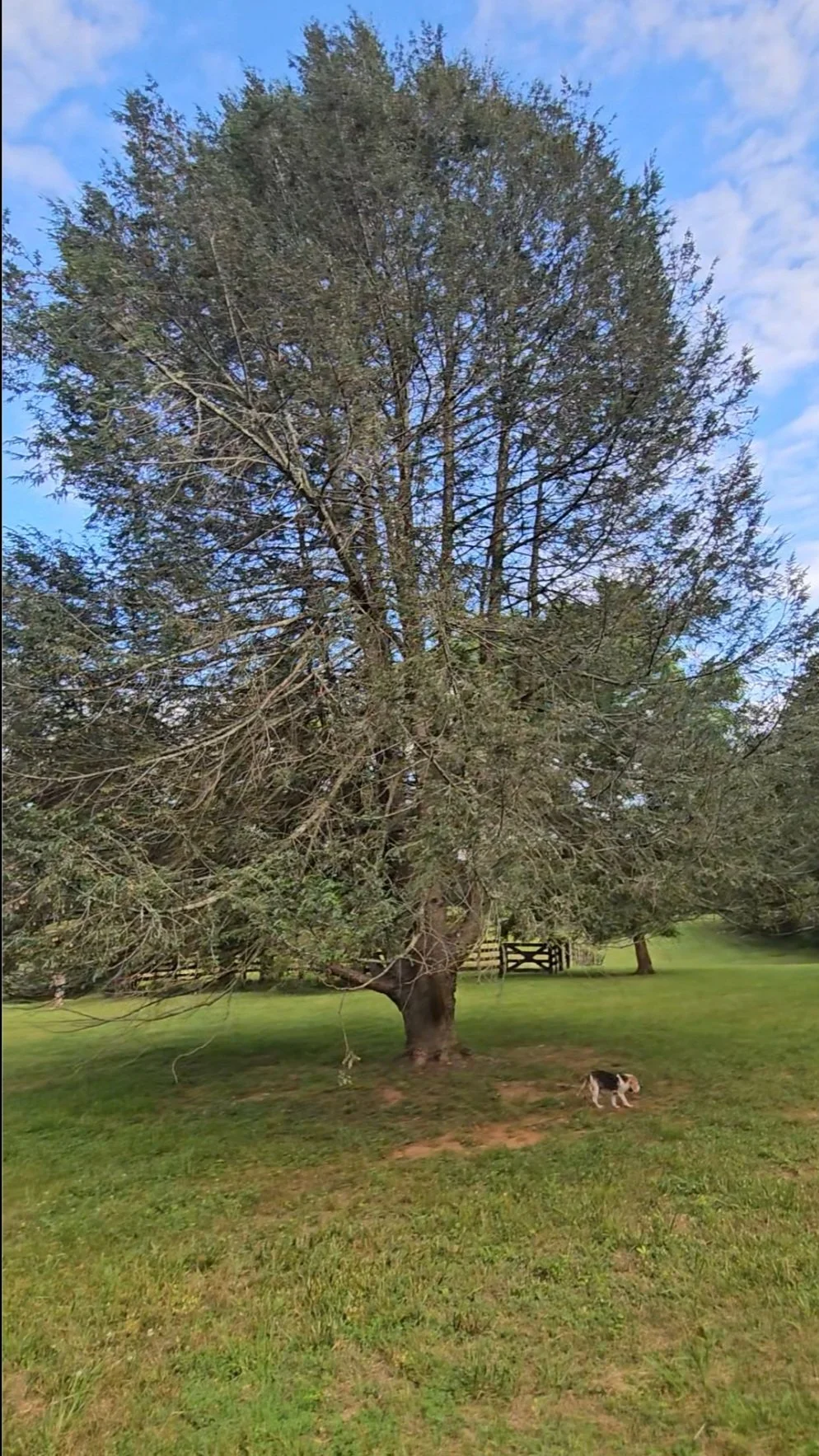
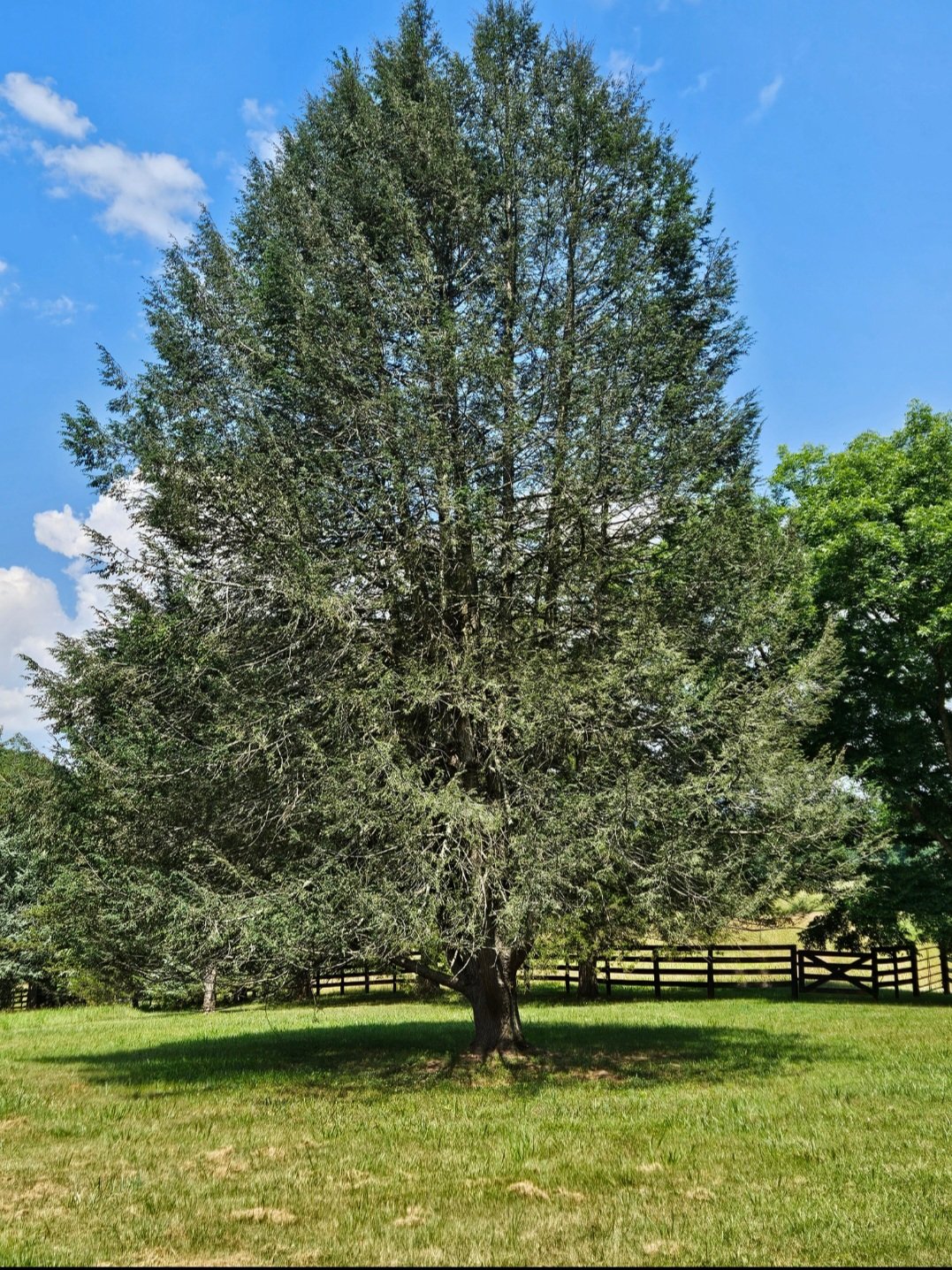
Eastern hemlock was suffering from Hemlock Woolly Adelgid (HWA), elongate hemlock scale (HES), and poor soil conditions. The photos above were taken 11 months apart. Through targeted insect management and improvements to soil health, the tree showed significant improvement in density, color, and overall vigor.
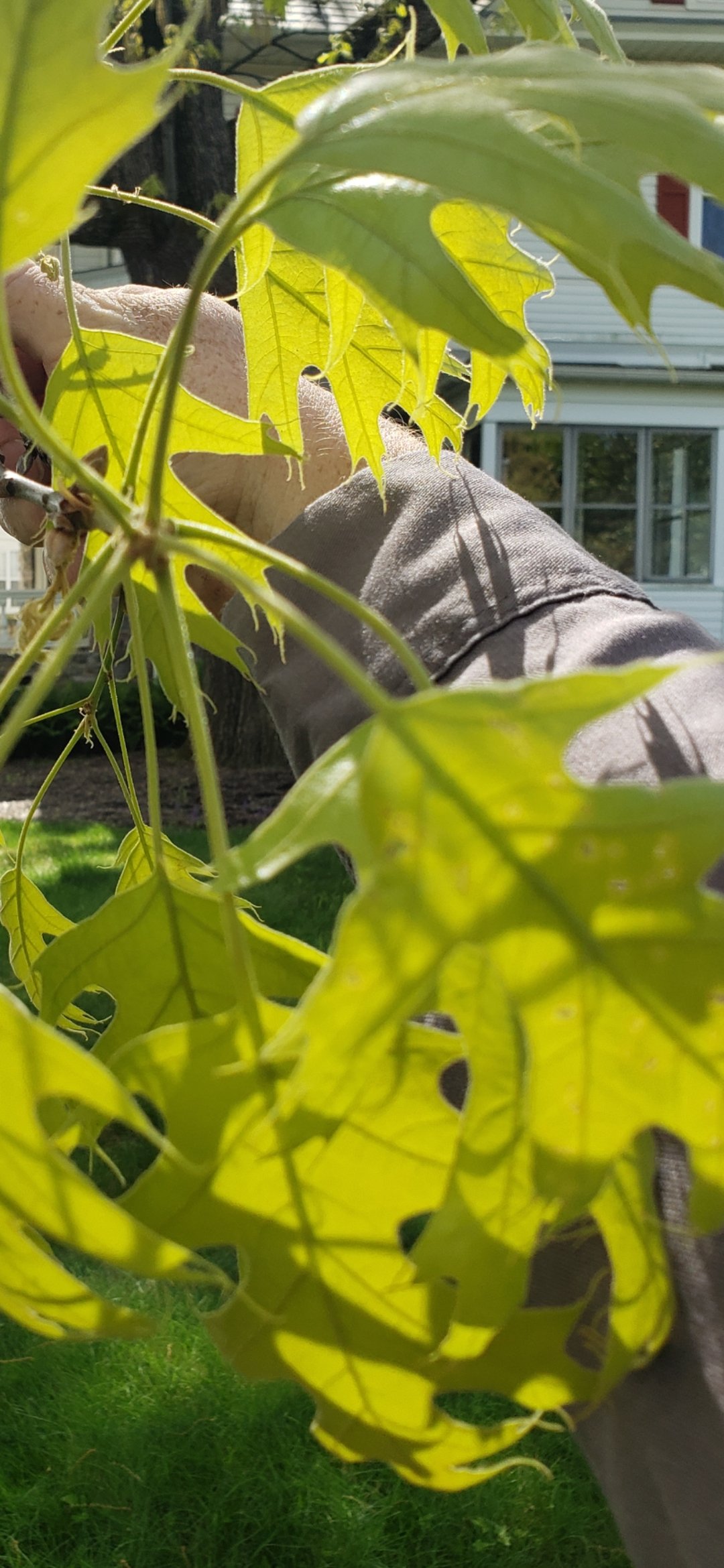
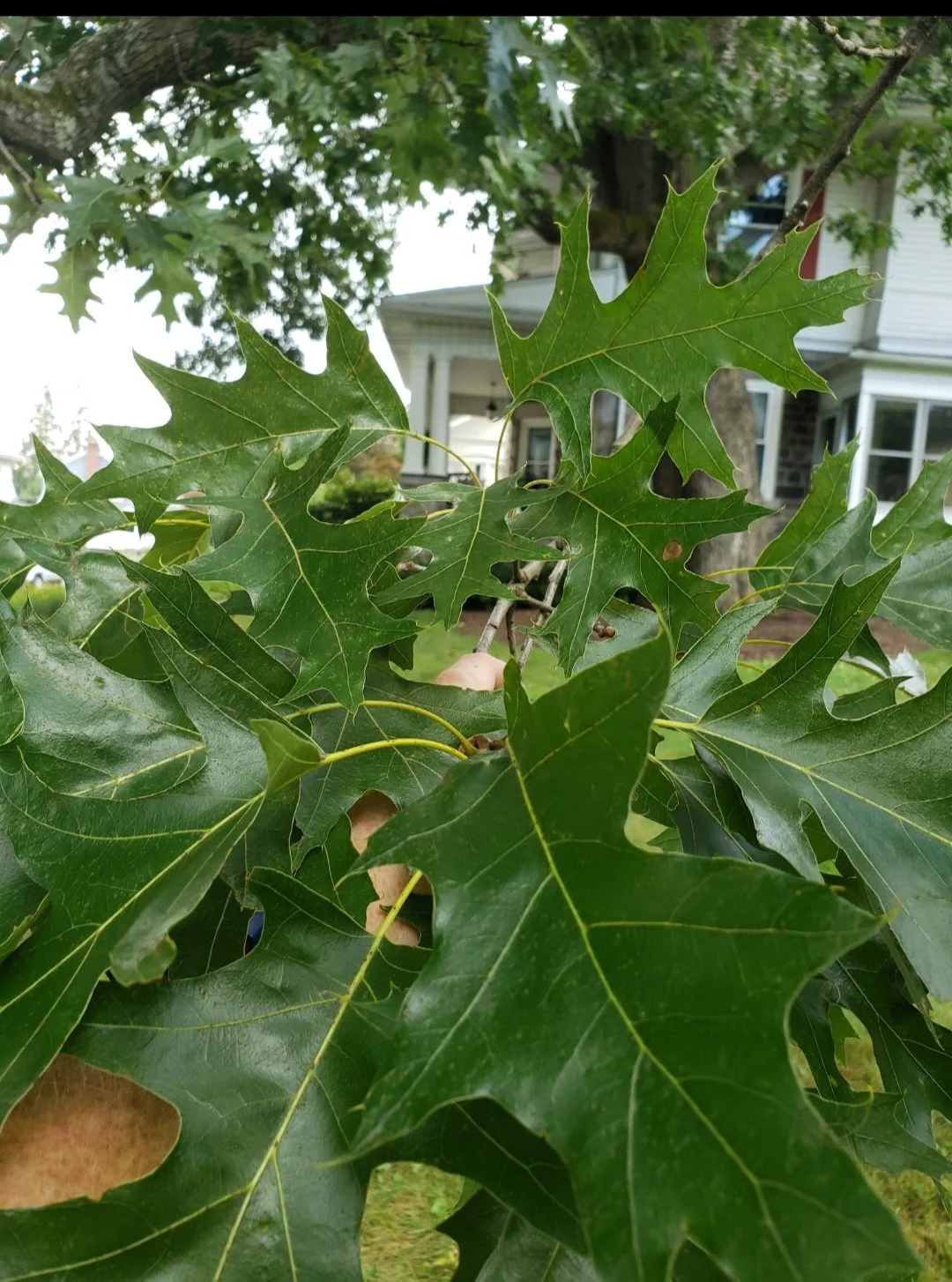
This red oak exhibited symptoms commonly associated with iron chlorosis. Soil testing revealed the underlying issue was not a lack of iron, but excessively high soil pH that prevented the tree from utilizing available nutrients.
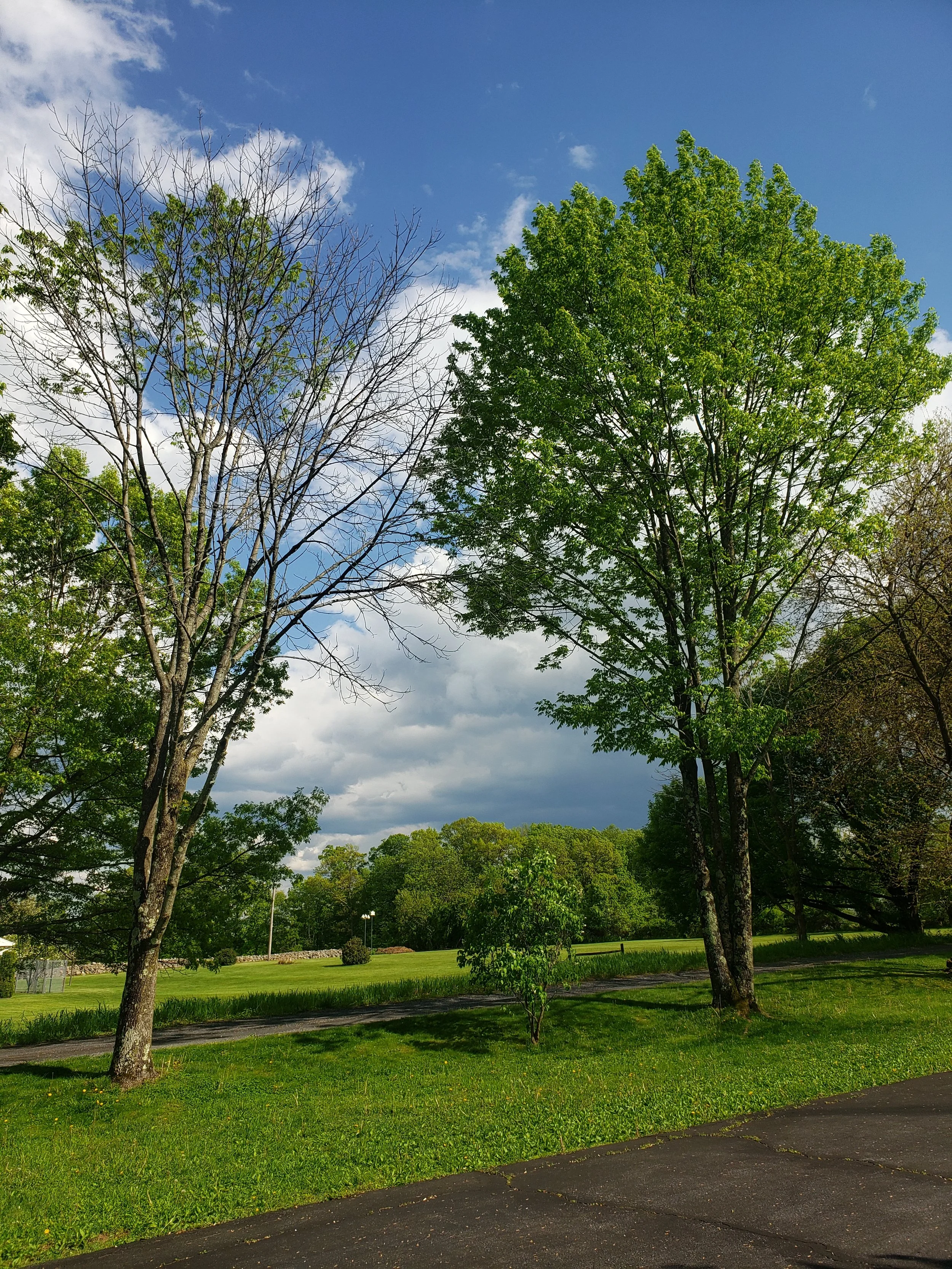
The ash tree on the left was NOT treated for Emerald Ash Borer (EAB). The ash tree on the right was. This is four year later.